
"What did the doctor mean when he said I should enter the week?"
"What are night needles? Do I have to play at night?"
"Is there any risk in raising bags?"...
When entering the Reproductive Medicine Center, couples preparing to undergo IVF treatment are often confused by the sudden technical terminology. Understanding these "jargon" will not only reduce anxiety, but also help you better cooperate with treatment. Today, we will systematically analyze the key terms used in the IVF process to give you a sense of understanding when facing treatment.
1. Basic concepts
IVF-ET
The full medical name of this technology is "in vitro fertilization-embryo transfer", and it is not that babies really grow up in test tubes. Simply put, it is the process of taking eggs and sperm out of the body, completing fertilization in the laboratory and cultivating them into embryos, and then transplanting them back into the mother's uterus for development. It is divided into three generations according to different technologies
① Generation of test tube: Conventional in vitro fertilization (IVF), the natural combination of sperm and eggs, mainly solving female fallopian tube problems
② Second generation test tube: Intracytoplasmic sperm injection (ICSI), which artificially injects a single sperm into an egg to solve male infertility
③ Three-generation test tube: Preimplantation genetic diagnosis (PGD/PGS), screening of embryos for chromosomes or genetic diseases before transplantation
ART (Assisted Reproductive Technology)
This is the general term for all artificial assisted pregnancy technologies, including artificial insemination (IUI), in vitro fertilization (IVF) and their derivative technologies.
2. Key terms in the treatment process
1. File
This means that after the couple completes all examinations, they establish a formal treatment file at the reproductive center. Both parties are required to bring the original ID card and marriage certificate to the scene, enter fingerprints, take photos, and sign the informed consent form (applicable to domestic test tubes). Please refer to: Detailed explanation of Hague certification for overseas test tubes.
2. Entering the week
That is,"enter the IVF cycle". This means that the preliminary examination has been passed, and the doctor has formulated a personalized plan to officially start ovulation promotion treatment. This is the real starting point of the test-tube journey.
3. Downgraded
The full name is "down-regulation". Drugs (such as Daphrin) inhibit pituitary function, prevent dominant follicles from monopolizing resources, and give multiple follicles the opportunity to develop simultaneously. It's like having all follicles stand at the same starting line waiting for the starting gun.
4. Promote emissions
i.e. ovulation promotion treatment. Multiple follicles are stimulated to develop and mature simultaneously by injecting drugs (e.g. Nafen, urogonadotropin), which generally lasts for 8-15 days. During this period, follicular growth should be monitored through B-ultrasound and blood hormones, and the dose should be adjusted in time.
5. Night needles
The critical last step! When the follicle matures, HCG or Izer is injected to promote the final maturation of the egg. Because eggs need to be retrieved 34-38 hours after injection, the operation is scheduled during the day, so the injection time is usually at night, hence the name "night needle". The time error requirement is ≤5 minutes, so be sure to be on time!
3. Terms of embryo laboratory
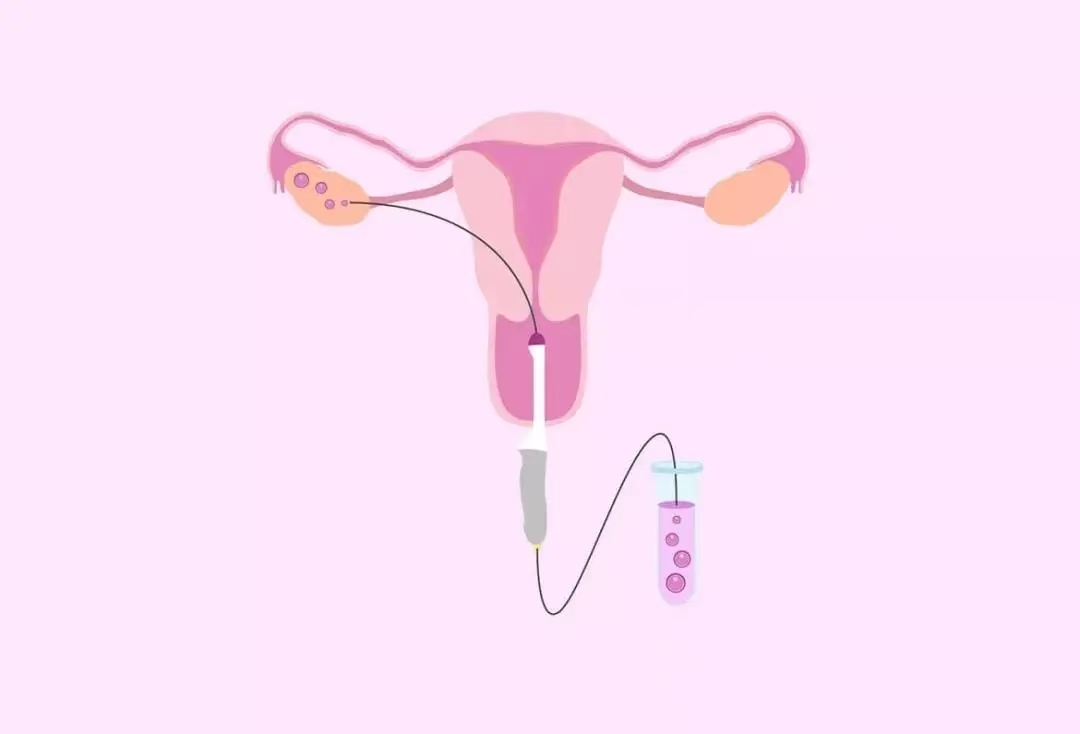
1. Oocyte retrieval
Under the guidance of vaginal ultrasound, follicular fluid was removed through the vagina with a thin needle (diameter 2mm). The operation takes about 10-20 minutes, and the ideal number of eggs retrieved is 10-15. The man needs to masturbate to collect sperm at the same time as the egg retrieval.
2. Cleavage stage embryo vs blastocyst
Cleavage stage embryo (D3 embryo): embryo cultured on day 3 after fertilization, containing 6-8 cells
Blastocyst (D5/D6 embryo): A more complex embryo containing inner cell mass and trophoblastic cells is formed after 2-3 days of culture
3. Fresh embryos vs frozen embryos
Fresh embryos: embryos that are not frozen and directly transferred after egg retrieval (D3 or D5)
Frozen embryos: The embryos are preserved by vitrification (liquid nitrogen at-196℃) and thawed and transplanted after the mother's condition is restored
4. Nurturing bags
Continue to culture the cleavage stage embryos from D3 to the blastocyst stage (approximately 2-3 days). The advantage is to eliminate embryos with poor development potential, but there is a risk of no blastocyst formation.
5.PGS/PGD
PGS (Preimplantation Genetic Screening): Detection of the number and structure of embryos 'chromosomes
PGD (Preimplantation Genetic Diagnosis): Diagnosis of specific genetic disease genes
Help screen healthy embryos, especially for couples who are elderly or have a family history of genetic diseases.
4. Transplantation and pregnancy support
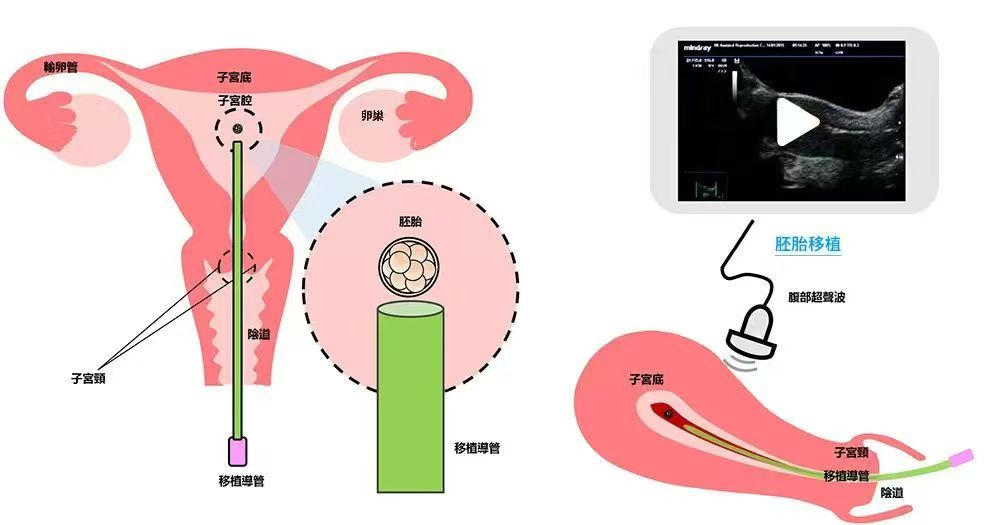
1. Luteal support
The necessary "prenatal protection" measures after transplantation! Endometrial receptivity is maintained through progesterone drugs (oral/injection/vaginal gel) to support embryo implantation. The medication needs to be continued until placental function is established at 8-12 weeks of pregnancy.
2. Pregnancy test
Blood was drawn for β-hCG 14 days after transplantation to confirm pregnancy. If successful, vaginal ultrasound will be performed 4-5 weeks later to check the gestational sac and fetal heart rate. This really means the successful end of the test tube cycle.
Data showed that couples who understood treatment terms had a 40% increase in treatment compliance and a significant decrease in anxiety. However, each case has its own uniqueness, and the specific treatment plan should be based on the recommendations of the attending doctor.
When you master the meaning behind these terms, you believe that you can communicate with your doctor more calmly when facing IVF treatment. The birth of life is not easy, and technology and technical terminology are to illuminate this difficult path. May every family looking forward to a new life feel more at ease on this road.
For more on fertility preparation, second/third-generation IVF, and overseas, U.S., Thailand, Malaysia, America or Cambodia IVF, scan the QR code on the right or call lelaiwa's hotline+852 6145 8043!
